

As the United States grapples with rising inflation and evolving political dynamics, understanding the broader economic landscape becomes crucial for communities like Hartford, Connecticut.
Inflation and Economic Indicators
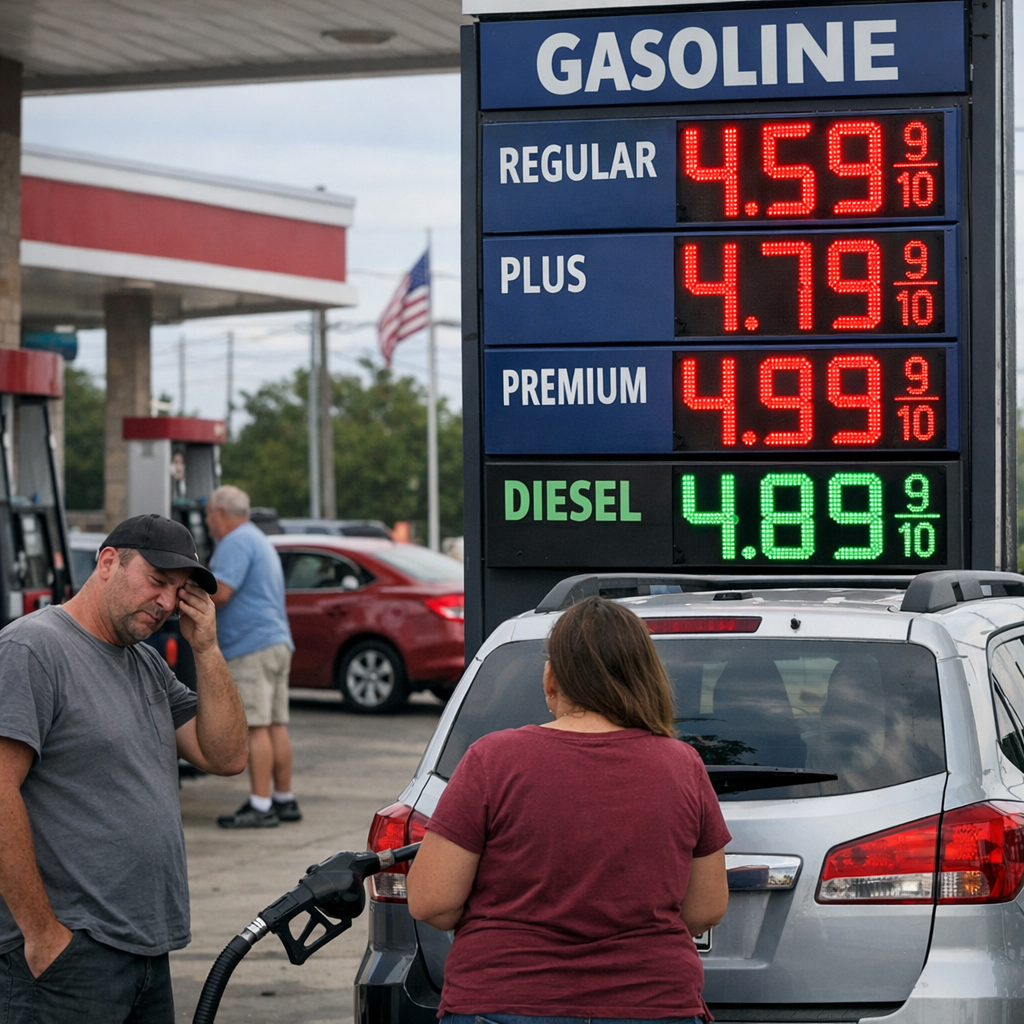
Recent reports indicate a surge in inflation, with rates reaching 3.8% in April. This uptick is largely attributed to ongoing geopolitical tensions, notably the conflict in Iran, which has driven gas prices above $4.50 per gallon. For the first time in three years, wage growth has lagged behind inflation, diminishing the purchasing power of many Americans. Consequently, consumer sentiment has plummeted to record lows, and small business optimism has declined significantly.
Political Landscape and Economic Policies
In response to these economic challenges, the Trump administration has emphasized tax cuts, deregulation, and energy independence as strategies to stabilize the economy. However, public approval of these measures remains low, with a CNN poll showing 70% disapproval of the administration’s economic performance.
Implications for Hartford Residents
For Hartford residents, these national trends have tangible local effects. Rising gas prices and inflation can strain household budgets, while shifts in federal economic policies may influence local job markets and business conditions. Staying informed about these developments is essential for making sound financial decisions and advocating for community needs.
As the nation navigates this period of economic uncertainty, Hartford’s resilience and proactive engagement will be key to weathering the challenges ahead.