
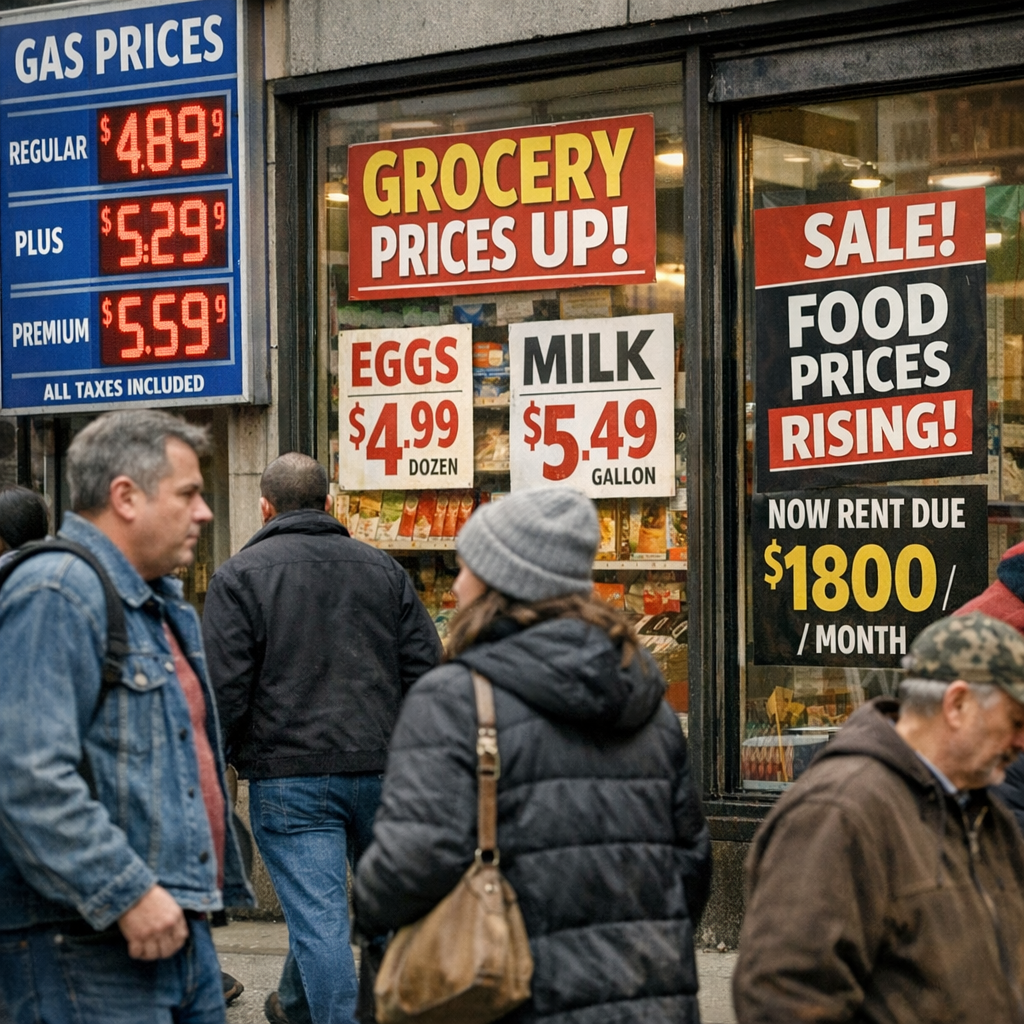
As the United States navigates a period of economic uncertainty, rising inflation and political divisions are significantly influencing the national landscape. Recent data indicates that consumer inflation has reached 3.8% annually as of April, with projections suggesting it could climb to 4.2% in May. This surge is attributed to factors such as the ongoing conflict in Iran, elevated oil prices, and recent tariff policies. Consequently, wage growth is lagging behind inflation, leading to diminished purchasing power for many Americans.
Public sentiment reflects these economic challenges. A recent poll reveals that 70% of Americans express frustration or anger over the current administration’s handling of the economy. This dissatisfaction is poised to impact the upcoming midterm elections, with many voters expressing concerns about their financial well-being and the nation’s economic direction.
In response, the administration emphasizes its commitment to tax cuts, deregulation, and energy independence as strategies to stabilize the economy. However, the effectiveness of these measures remains a topic of debate among economists and policymakers.
As the nation approaches the midterm elections, the interplay between economic conditions and political dynamics will be crucial in shaping the country’s future trajectory. Voters are encouraged to stay informed and engage in the democratic process to address these pressing issues.