
By Michael Nguyen
Where things stand
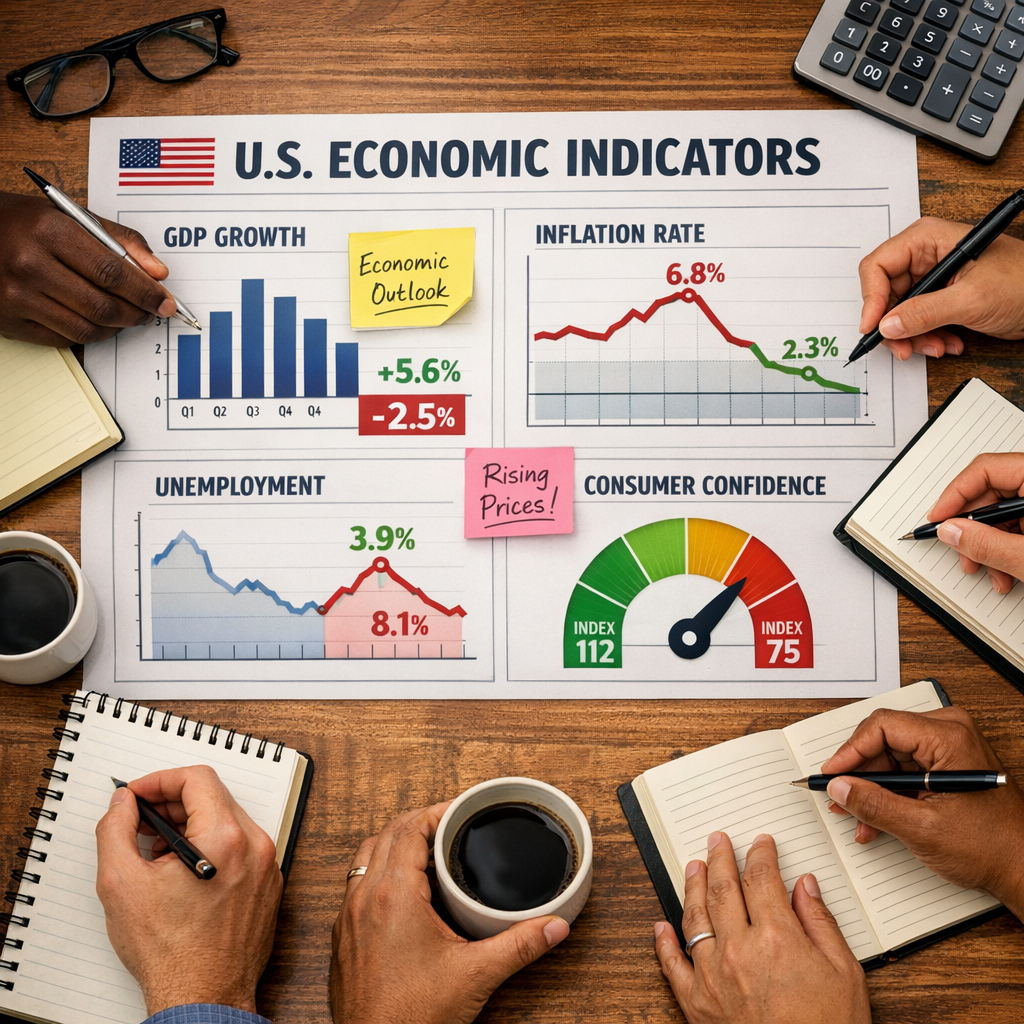
The U.S. economy is showing mixed signals—strong growth in areas like business investment and productivity, but strain on everyday Americans who face high inflation, housing and healthcare costs, and uncertainty about the future.
Key economic trends
Growth and output: After an estimated 2% GDP growth in 2025, projections point to modest acceleration heading into 2026. Some sectors—particularly investment in equipment and intellectual property—are gaining momentum.
Labor market & employment: Unemployment remains low (around 4 percent), though recent job creation has cooled. Labor force participation isn’t rising fast enough to offset population aging and lower immigration.
Inflation & costs: Inflation is still elevated vs. policy targets, especially in energy and certain goods. Consumers are especially worried about food, housing, and medical costs.
How people feel
A majority of Americans rate current economic conditions as “only fair” or “poor.” Views are polarized along political lines—Republicans tend to have a more positive take, while Democrats are more likely to say the economy has worsened.
Risks to watch
Several factors could tip the balance: global energy prices (especially supply disruptions or conflict), ongoing inflation pressures that resist cooling, and the long-term effects of trade policies and tariffs.
What this means for Hartford and beyond
For residents of Hartford and similar places, these trends translate into sharply rising costs for essentials—rent, groceries, and healthcare—while wage gains struggle to keep pace. Interest-rate sensitivity affects mortgages and loans. Local manufacturers and small businesses feel both benefit from higher productivity and burden from costs of imports, energy, and regulatory unpredictability.
What to keep an eye on
- Federal Reserve decisions on interest rates and signals about inflation.
- Policy shifts—especially around tariffs, trade rules, and infrastructure investment.
- Inflation trends in everyday goods—not just index numbers but what people pay at grocery, gas, and utility bills.
- Ahead of elections, how economic issues are framed by political parties—who promises what about taxes, spending, and support for families.
In short: the national economy is neither booming for most people nor collapsing. It’s under pressure—especially for low- and middle-income households. How leaders respond in the months ahead could tip the scale one way or the other.