

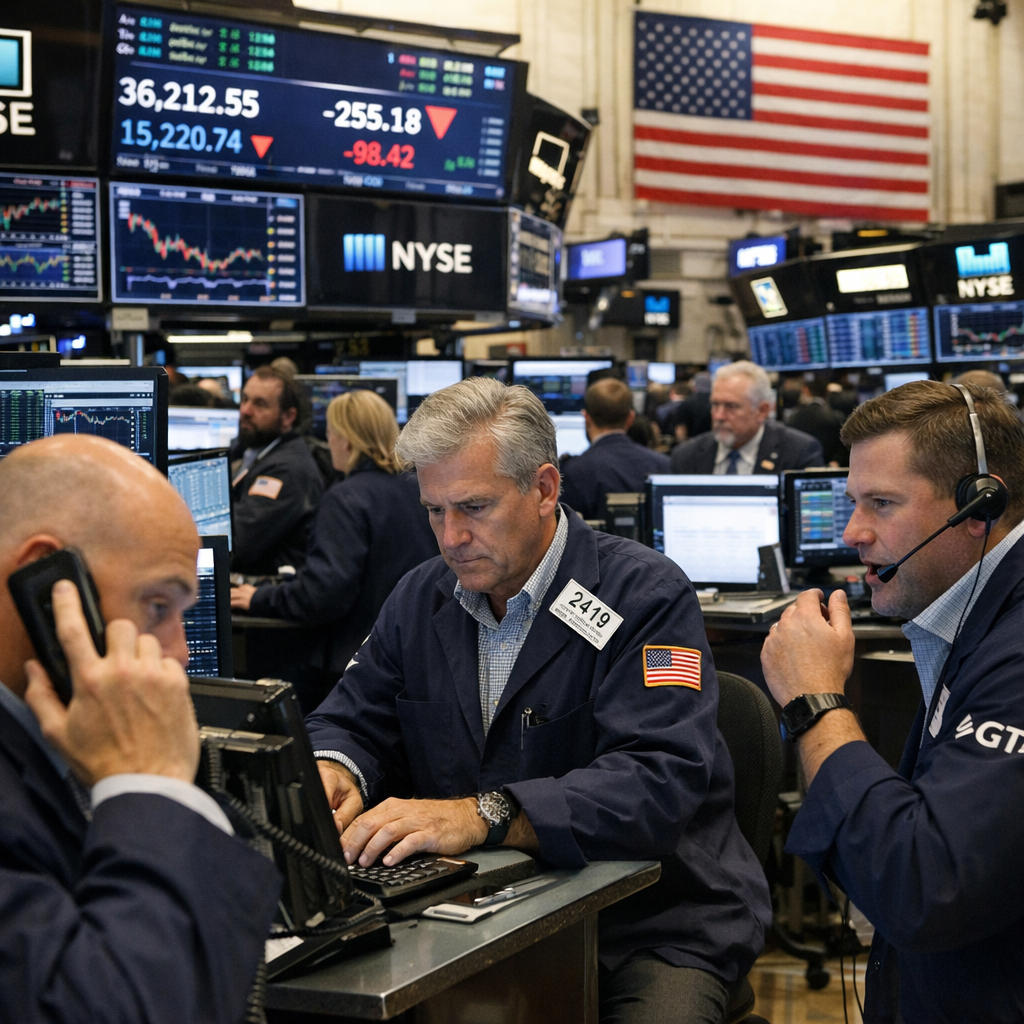
The U.S. economy is experiencing a complex period marked by various factors influencing its trajectory. Understanding these elements is crucial for both policymakers and the public.
Job Market Resilience Amid Global Tensions
Despite global uncertainties, the U.S. job market has shown resilience. In May, the economy added 172,000 jobs, indicating a steady recovery. However, many Americans remain concerned about rising prices and economic stability.
Inflation and Energy Prices
Inflation has been a significant concern, with consumer prices rising sharply. In March, inflation reached 3.3% year-on-year, driven by increased energy costs following international conflicts.
Federal Reserve’s Monetary Policy
The Federal Reserve has maintained interest rates but signaled potential hikes later this year to address inflationary pressures. This approach aims to balance economic growth with price stability.
Impact of International Events
Global events, such as conflicts in the Middle East, have affected oil prices, leading to higher energy costs domestically. These developments underscore the interconnectedness of global and national economies.
Consumer Sentiment and Spending
While the job market shows strength, consumer sentiment remains cautious. Rising prices and economic uncertainties have led many to adjust their spending habits, impacting various sectors of the economy.
In conclusion, the U.S. economic landscape is shaped by a combination of domestic policies and international events. Staying informed and adaptable is essential for navigating these evolving challenges.