

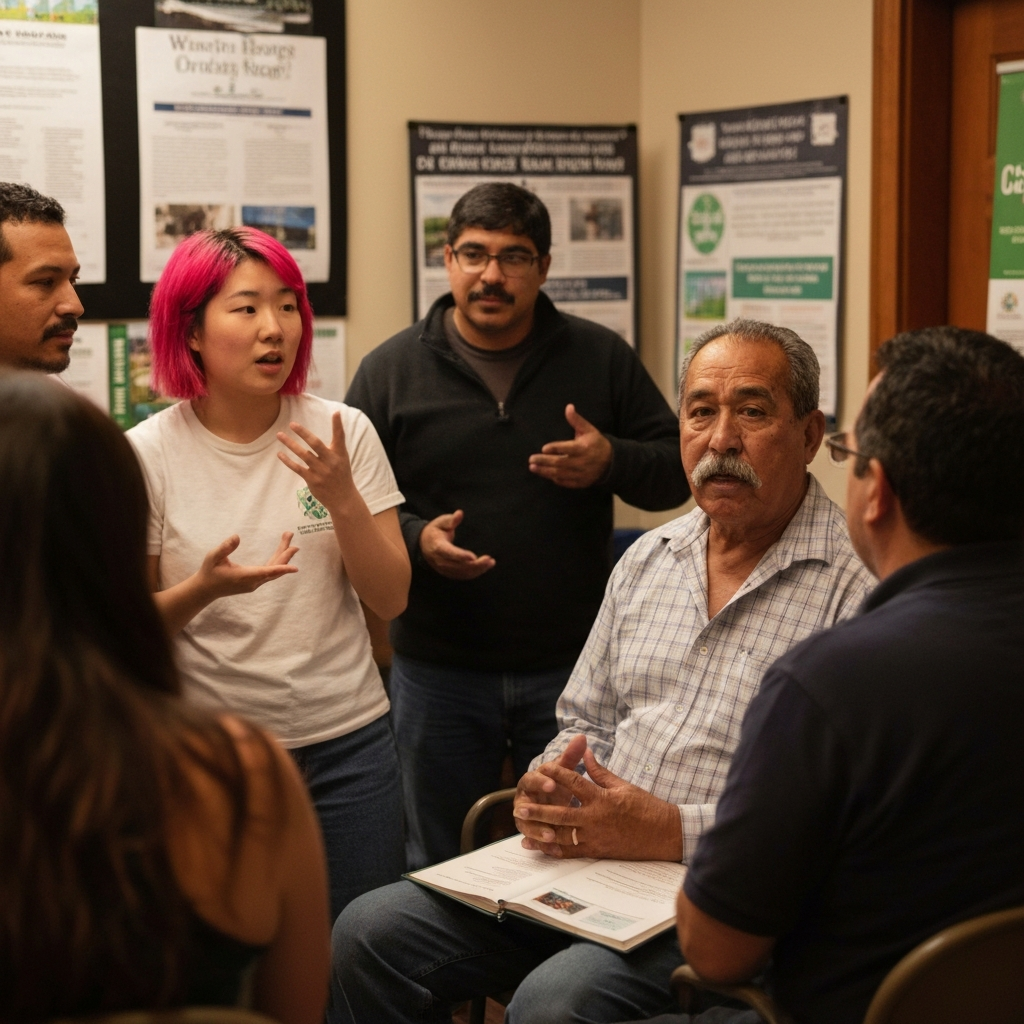
Hartford, Connecticut, faces several environmental challenges that significantly impact its residents’ quality of life. Among these are persistent flooding, sewage overflows, and limited access to green spaces, particularly in the city’s North End.
Flooding and Sewage Overflows
Residents in Hartford’s North End have long contended with flooding and sewage issues. Aging infrastructure has led to homes being inundated with human waste during heavy rainfall. Community members have expressed frustration over the lack of timely upgrades to the sewage system, highlighting the disproportionate effect on communities of color. In response, local officials have acknowledged the need for infrastructure improvements and are exploring funding options to address these pressing concerns.
Limited Access to Green Spaces
Access to green spaces is another pressing issue in Hartford. While the city boasts several parks, residents in certain neighborhoods find it challenging to access well-maintained and safe recreational areas. This lack of accessible green space contributes to health disparities and limits opportunities for outdoor activities. Community organizations are advocating for the development and maintenance of parks and gardens to promote environmental equity and enhance residents’ well-being.
Community Initiatives and Advocacy
In response to these environmental challenges, Hartford’s Office of Sustainability has been working on initiatives aimed at improving public health and promoting social equity through environmental stewardship. Collaborations with community partners focus on advancing the city’s Climate Action Plan, which includes strategies for enhancing green infrastructure and mitigating flooding risks.
Residents and local organizations continue to advocate for sustainable solutions, emphasizing the importance of community involvement in decision-making processes. By addressing these environmental issues collaboratively, Hartford aims to create a healthier and more equitable environment for all its residents.